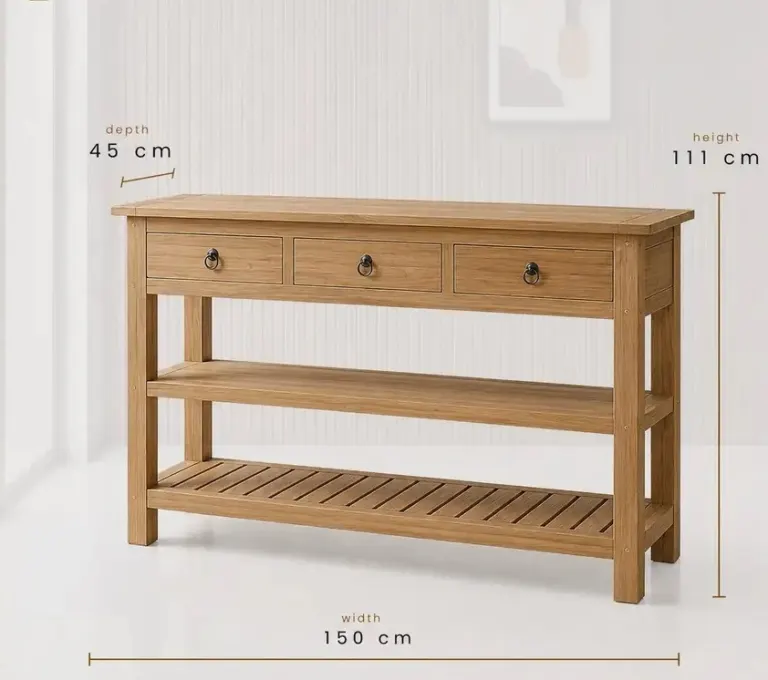
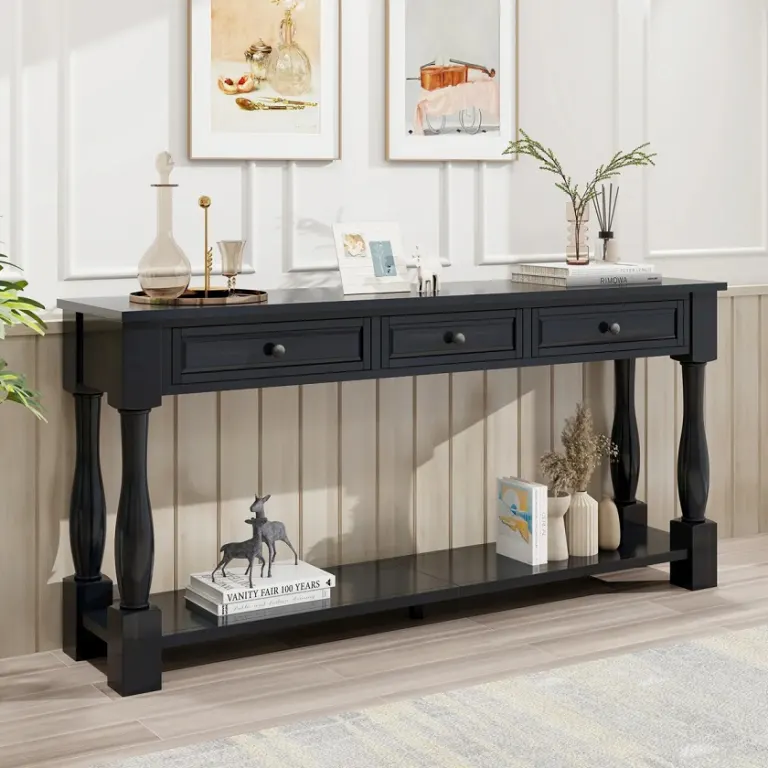
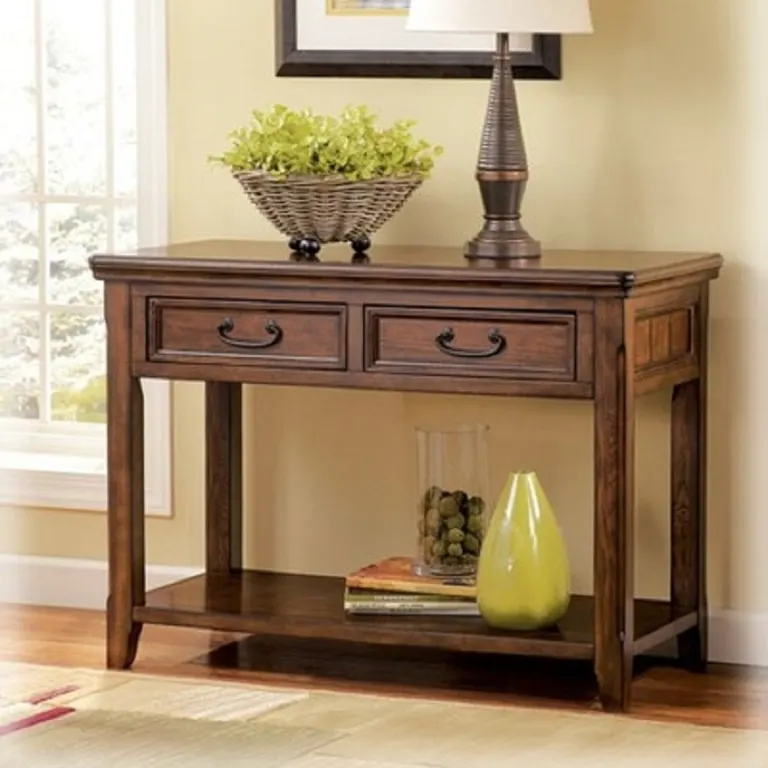
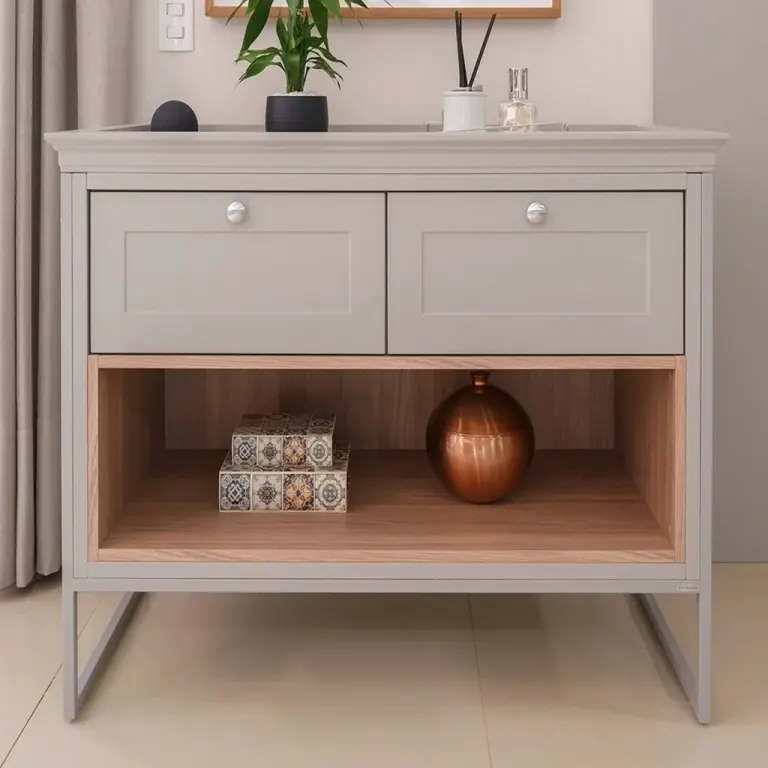
Three-Tier Console Table Ranges for Hotels: Good, Better and Signature Specifications
A practical way to organise hotel console tables into three specification tiers, with clear differences in materials, joinery and finish. Use it to match each piece to its location and budget.
Most hotels do not need the same console table everywhere. A corridor piece, a guest room entry table and a lobby feature piece face very different demands, and specifying all of them to one standard either wastes budget or shortens service life. Defining console table range tiers (Good, Better and Signature) gives you a simple framework to match each location to the right level of construction and finish.
Below we describe what typically changes between the three tiers in materials, joinery, finish and hardware. The tiers are a planning tool rather than a fixed catalogue, so exact details are always agreed against your project drawings. As a made-to-order manufacturer in Istanbul shipping worldwide, we build each tier to your drawings and approved samples.
Why use specification tiers at all?
A tiered approach brings three practical benefits for owners, designers and procurement teams.
- Budget control: you invest in visible, high-contact pieces and keep secondary areas economical.
- Clear tender documents: suppliers quote the same defined levels, which makes comparison easier.
- Brand consistency: the same design language can run through all tiers, even when construction differs.
Think of hotel console table specification levels as a ladder. Each step changes a small number of clearly named elements, so you always know what you are paying for.
The three tiers at a glance
| Element | Good | Better | Signature |
|---|---|---|---|
| Typical location | Corridors, service areas, secondary rooms | Standard guest rooms, suites, restaurant entries | Lobby, reception, flagship suites |
| Core material | Engineered board with HPL or melamine, or veneer | Quality veneer on board with solid wood edges | Solid hardwood or premium selected veneer with solid details |
| Top | HPL or laminated surface | Veneer or thicker laminated top | Solid wood, stone or glass on a wooden base |
| Joinery | Cam fixings, dowels, reinforced corners | Dowels with glued joints and concealed reinforcement | Traditional joinery such as mortise and tenon |
| Finish | Durable factory coating or laminate | Multi-layer lacquer or protective oil system | Hand-finished, colour-matched, multi-stage coating |
| Hardware | Commercial-grade standard | Soft-close, concealed locks where needed | Premium hardware, custom metal details |
Tier 1: Good
The Good tier is about reliable function at a controlled cost. It suits locations where the piece is seen but not touched constantly, or where replacement planning is straightforward.
Materials and construction
Engineered board with HPL, melamine or a thin veneer is the usual base. It is dimensionally stable and consistent across large batches, which matters for repeat orders. Edges are protected with ABS or similar banding applied cleanly.
Joinery and finish
Construction relies on dowels, cam fixings and reinforced corners. Surfaces are chosen for scratch and cleaning resistance rather than depth of grain. The result is a practical, hard-wearing piece with a simple, clean look.
Where it works
- Upper-floor corridors and elevator lobbies
- Staff and back-of-house areas
- Budget room categories in multi-brand portfolios
Tier 2: Better
The Better tier is where most guest-facing furniture sits. It adds visible quality and better long-term performance without moving to full solid wood.
Materials and construction
Real wood veneer on a stable core gives genuine grain and warmth. Solid wood edges or lipping protect corners that take the most knocks from luggage and housekeeping trolleys. Tops are often thicker, which improves proportion and rigidity.
Joinery and finish
Dowelled and glued joints with concealed reinforcement improve stability under daily use. Finishes move to multi-layer lacquer or a protective oil system, depending on the look you want. Drawers, if specified, use soft-close runners.
Where it works
- Standard and superior guest rooms
- Suites and entry niches
- Restaurant entrances and lounge areas
Tier 3: Signature
Signature pieces carry the brand. They are the tables guests photograph, so material, proportion and detail all need to hold up to close inspection.
Materials and construction
Solid hardwood, such as oak or walnut, or carefully selected and sequenced veneer is typical. Tops may be solid timber, or stone or glass on a wooden base. Grain direction and panel construction are planned to reduce warping and visible movement.
Joinery and finish
Traditional joinery, including mortise and tenon, suits pieces expected to last and to be refinished over time. Finishing is more labour-intensive, with colour matching to an approved sample and extra inspection steps. Metal accents, inlay or carved details can be added at this level.
Where it works
- Main lobby and reception areas
- Flagship suites and villas
- Feature walls and brand-defining spaces
What really changes between tiers
It helps to separate what changes the look from what changes the lifespan.
- Visible differences: grain depth, edge profile, top thickness and finish richness.
- Hidden differences: joinery method, reinforcement, timber selection and drying quality.
- Service differences: how easily a damaged piece can be repaired or refinished.
A Good piece and a Better piece can look similar from a distance. The difference shows up after a few years of use, which is why joinery and finish deserve as much attention as appearance.
Keeping one design language across all three tiers
A tiered range should look like one family. You can keep the same leg profile, proportions and colour palette, and vary only the construction and materials. For example, a tapered-leg design can appear as a laminated corridor piece, a veneered room piece and a solid oak lobby piece.
This approach suits hotel chains and multi-property owners, because guests experience a consistent identity while procurement keeps budget flexibility. It also simplifies reorders, since the base drawings are shared.
How to assign tiers to locations
Use a short decision process before you finalise your schedule.
- List every console location in the project with approximate dimensions.
- Rate each one for guest visibility, physical contact and cleaning frequency.
- Assign Signature to high-visibility spots, Better to regular guest areas and Good to low-contact zones.
- Check local fire and safety requirements, since they can affect materials at any tier.
- Request a sample for each tier you plan to use, so owner and operator can compare them side by side.
Cost and lead time considerations
We do not publish fixed prices here, because cost depends on timber species, top material, finish system, quantity and destination. In general, each step up the ladder adds material cost and more labour, and Signature pieces may need longer production and approval time. Quantity matters too, as larger batches usually spread setup effort across more pieces.
For worldwide orders, also consider packing and freight. Stone tops, solid timber and fully assembled pieces affect shipping volume and crating requirements. We can discuss Incoterms such as FOB or DAP and the packing method alongside the tier selection.
Common mistakes when defining tiers
- Too many tiers: three clear levels are easier to manage than six similar ones.
- Vague descriptions: write down core material, edge, joinery and finish for each tier.
- Skipping samples: small differences in colour and sheen are easier to judge on a physical sample than on a render.
- Over-specifying hidden areas: spend on what guests see and touch.
Next step
If you are planning console tables for a new hotel or a renovation, send us your drawings, room schedule or reference images. We will suggest which locations suit each tier, prepare samples where needed and return a project quotation with material options, lead time and shipping choices for your destination.
Sıkça Sorulan Sorular
What is the difference between standard and premium console tables in hotels?
Standard pieces usually use engineered board with laminate or thin veneer and simple fixings, while premium pieces add solid wood details, stronger joinery and richer finishes. The gap shows mainly in durability, repairability and how the piece looks up close, not only in appearance from a distance.
Can I mix all three tiers in one hotel project?
Yes, and it is often the most efficient approach. Keep the same design language, such as leg profile and colour palette, and vary the construction by location. Guests see a consistent identity, while you spend more only where visibility and contact are highest.
Do you make console tables to order for projects outside Turkey?
Yes. We produce to project drawings in our Istanbul factory and ship worldwide. We can discuss packing, Incoterms such as FOB or DAP and delivery sequencing when preparing your quotation, so the shipment suits your site and programme.
Should I request samples for each tier?
Yes, if budget allows. Seeing Good, Better and Signature samples side by side helps owners and operators judge finish, edge detail and weight. It also reduces the risk of surprises in colour and sheen when mass production begins.
Which tier suits a hotel lobby console table?
Lobby pieces are usually Signature tier, because guests see and touch them and they support the brand. Solid hardwood or premium veneer, strong joinery and a carefully matched finish help the piece hold up under heavy use and close inspection.
Every hotel project is different. Send us your drawings or room schedule for a tailored proposal on materials, lead time and shipping.