Choosing Wood Species for Console Tables: Oak, Walnut, Ash and Beech Compared
Oak, walnut, ash and beech each behave differently in grain, colour, hardness and finish. This guide helps you choose the right species for hotel and hospitality console tables.
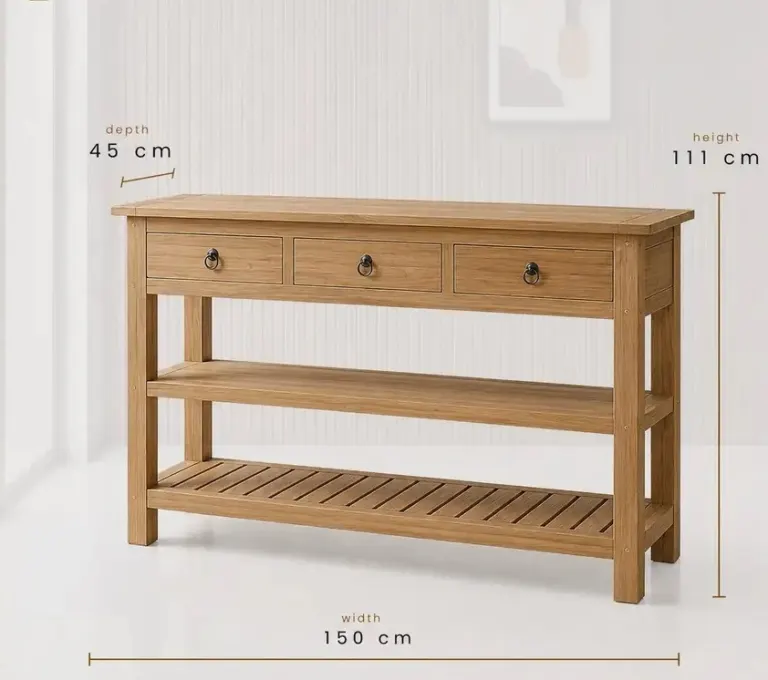
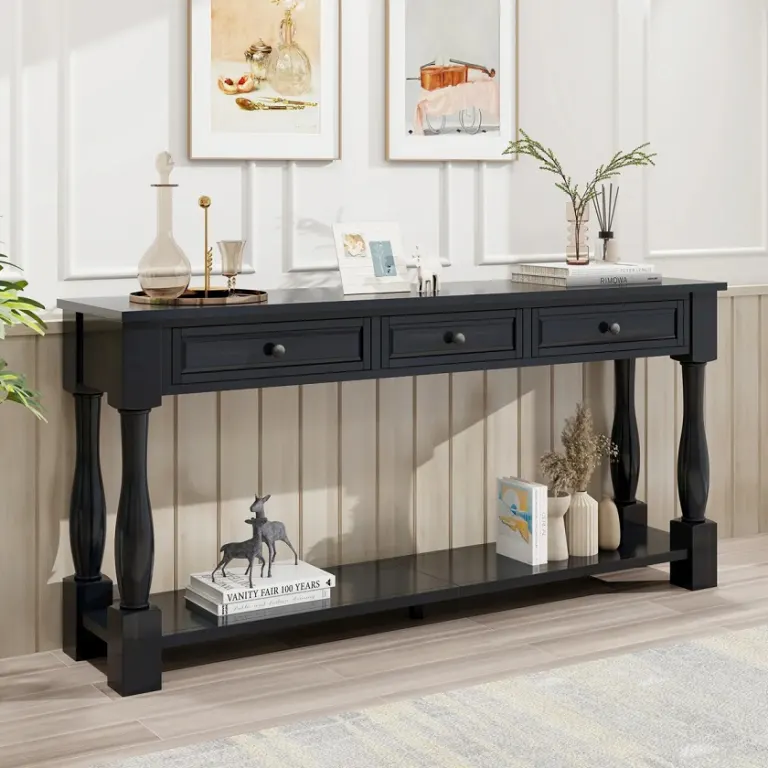
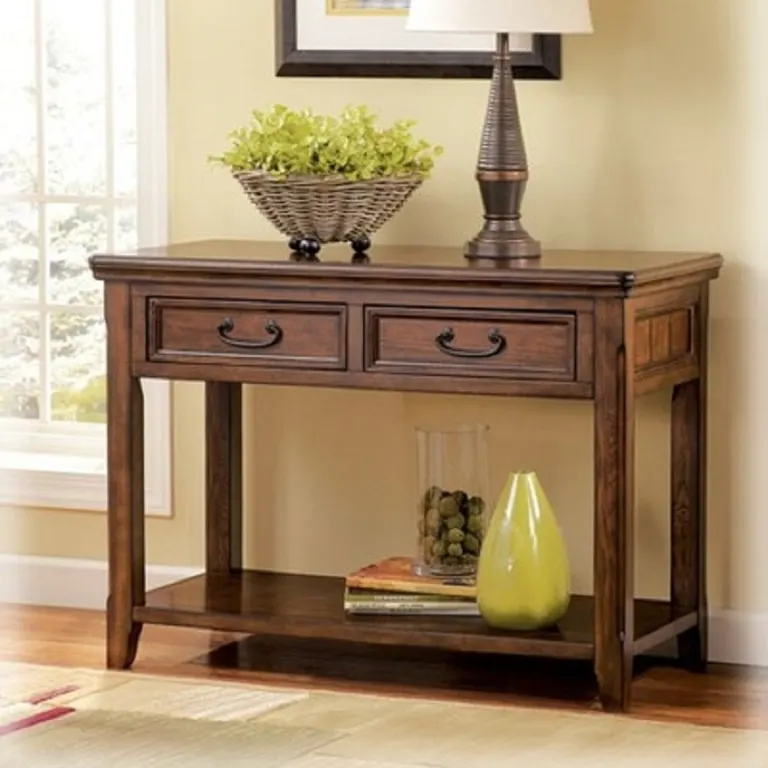
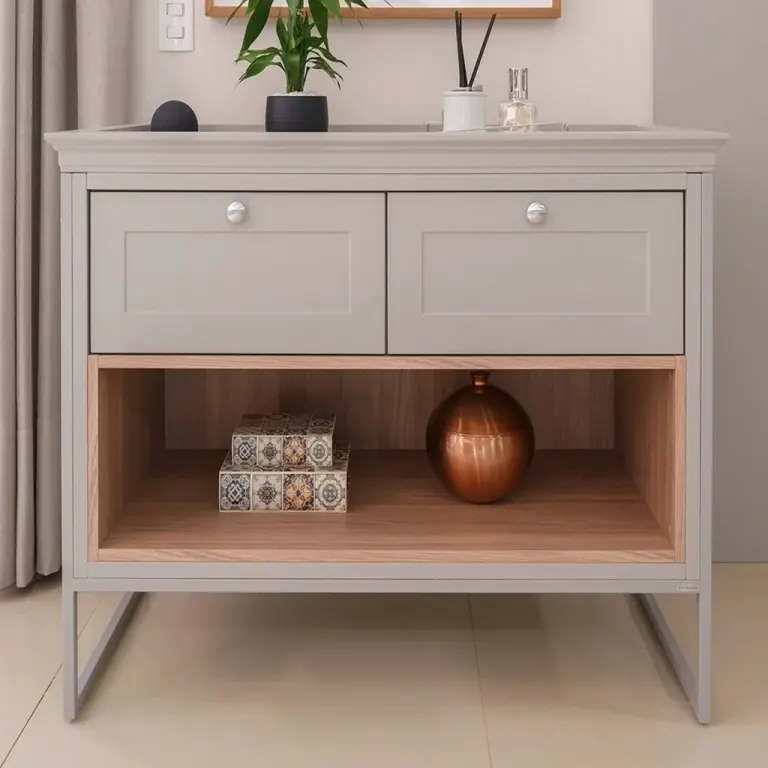
Choosing between the main console table wood types comes down to four practical questions: how the grain looks, what colour range you can achieve, how hard the timber is, and how it takes a finish. Oak, walnut, ash and beech are the four species we are asked about most often for hospitality projects, and each suits a different brief. This guide compares them specifically for console pieces, which are slim, highly visible and exposed to bags, trolleys and cleaning in entrances and corridors.
Why console tables are a special case for wood selection
A console table is not a dining table or a wardrobe. It is usually narrow, stands against a wall and is seen at eye level and from close range by every guest. That means grain and colour consistency matter more than they would on a hidden carcass.
At the same time, the top edge and legs take knocks. A species that looks beautiful in a render can show dents and scuffs quickly if it is too soft or too pale for the location. The comparison below keeps both visual and practical points in view.
Quick comparison table
| Species | Grain | Natural colour | Relative hardness | Finishing behaviour |
|---|---|---|---|---|
| Oak | Open, pronounced, with visible rays in quarter-sawn cuts | Light to mid golden brown | Hard | Takes oil, stain and lacquer well; open pores can be filled or left visible |
| Walnut | Fine to medium, often with flowing figure | Mid to deep chocolate brown, with purple or grey tones | Medium-hard | Looks rich under clear oil or lacquer; needs care to keep colour even |
| Ash | Open and bold, similar to oak but straighter | Pale cream to light tan | Hard and tough | Accepts stains and bleached looks readily; strong contrast between early and late wood |
| Beech | Fine, close and uniform | Pale pink-beige | Hard | Smooth and even; stains can look uniform, but it needs proper sealing to avoid blotching |
Hardness here is a general ranking, not a test result. Exact performance depends on the timber batch, moisture content and construction, so always confirm with a sample.
Oak: the dependable all-rounder
An oak console table is the safest starting point for most hotel briefs. The grain is expressive without being fussy, and it works across classic, contemporary and Japandi interiors. Oak is hard enough to handle daily use at entrances and corridors.
Grain and colour
Flat-sawn oak shows cathedral patterns, while quarter-sawn oak gives straighter lines and the characteristic ray flecks. The natural colour is a warm light brown that can be pushed lighter with a white-oil look, or darker with a smoked or stained finish.
Finishing behaviour
Oak has open pores, so a matt oil or open-pore lacquer shows the texture, while a filled lacquer gives a smoother touch. Oak contains tannins, which can react with some stains, so finish trials on your actual timber are worthwhile.
Walnut: warmth and a premium feel
A walnut console table signals quality immediately. The deep tone suits lobbies, suites and boutique reception areas where you want a calm, upscale atmosphere. It also reads well against pale walls, marble tops and brass details.
Grain and colour variation
Walnut varies more from board to board than the other species here. Sapwood, heartwood and different log origins can produce noticeable differences in tone. For a set of tables that must match, ask how the factory sorts and sequences boards, and approve a sample under the lighting of your project.
Practical points
- Walnut is slightly softer than oak, so very exposed corners may benefit from a softened edge profile.
- Dark finishes show dust and fine scratches more than mid-tones, which is worth considering for high-traffic areas.
- Walnut veneer is a common alternative when budget or stability across wide tops is a concern.
Ash: pale, strong and graphic
Ash wood furniture is popular where designers want a light, airy look with strong grain. It is tough and flexible, which is why it has long been used for items that must absorb impact. For console tables, it suits Scandinavian-inspired and resort interiors.
Grain and finish
Ash has a bold, open grain with clear contrast between growth rings. Under a clear matt finish it looks natural and fresh. It also takes grey, black and bleached stains very well, giving a modern look that still shows the grain.
What to watch
Pale timber shows dirt and water marks sooner, so the protective coating matters. Colour can range from almost white to light brown, so define an accepted range in your specification.
Beech: fine, uniform and budget-conscious
Beech has a close, even grain that looks calm and clean. It is a hard European hardwood and often a more economical option than walnut, which makes it useful for larger orders or secondary areas such as corridors and guest room entries.
Finishing behaviour
Because the grain is so fine, beech can take painted, lacquered or stained finishes with a smooth, uniform result. On its own, stain can look blotchy if the surface is not prepared correctly, so sealing and sanding discipline are important. A good factory will test this on a sample first.
Where it works best
Beech is a good choice when you want a consistent colour across many pieces, or when the finish will be a solid or semi-transparent colour. It is less dramatic than walnut or oak, which can be an advantage in understated interiors.
How to choose by location
- Main lobby and reception: walnut or quarter-sawn oak for a premium first impression.
- Corridors and elevator lobbies: oak or beech with a durable, scratch-resistant coating.
- Guest room entry niches: ash or oak in lighter tones to keep small spaces feeling open.
- Resort and coastal settings: ash or oak with a protective finish suited to humidity changes.
For wet or very humid areas such as spas, other considerations apply, and species choice should be discussed with the factory for that specific environment.
Solid wood or veneer in these species?
All four species can be supplied as solid timber or as veneer over a stable core. Solid wood suits legs, frames and edges that need to be repaired or refinished. Veneer is often preferred for wide tops because it offers better dimensional stability and more consistent patterns across a batch.
Many hospitality pieces combine both: solid legs and edging with a veneered top. The right mix depends on dimensions, budget and the finish you want.
Finishing: the species and the coating work together
The same finish can look quite different on each species. Oil enhances warmth and depth, especially on walnut and oak, while lacquer gives stronger protection in busy public areas. Water-based finishes tend to look cooler and lighter, which suits ash and beech.
Before approving production, check your sample:
- In natural daylight and under the hotel's artificial lighting.
- Next to the wall colour, flooring and any stone or metal elements.
- For edge sharpness, surface feel and sheen level.
Specifying wood for a batch order
Natural timber always varies. To keep a batch consistent, define the species, cut (flat-sawn or quarter-sawn), finish, sheen level and an approved sample range in your specification. Reference a signed-off sample rather than only a colour name.
Availability can also differ by species and region, and lead time depends on the timber, the finish and the quantity. We recommend discussing these early so the material choice does not delay your programme.
Making the final decision
If you want a safe, versatile choice, start with oak. If the brief calls for richness and a premium look, choose walnut. For a light, graphic, modern feel, ash is hard to beat, and for even tone and good value, beech is worth considering.
We produce console tables to order in all four species for hotels, restaurants and residential projects worldwide, made to your drawings in our Istanbul factory. If you are comparing options, send us your drawings, reference photos or room schedule, and we will suggest suitable species, finish samples and a quotation based on your quantities and delivery destination.
Sıkça Sorulan Sorular
Which wood is best for a hotel console table?
There is no single best species. Oak is the most versatile and durable for busy areas, walnut gives a premium look for lobbies and suites, ash suits light modern interiors, and beech offers an even tone at a more economical level. The right choice depends on location, finish and budget.
Is walnut harder than oak?
Walnut is generally slightly softer than oak, though both are suitable for furniture. In hotel use, the difference matters mostly at exposed corners and edges. A well-chosen edge profile and a durable finish help walnut perform well in public areas.
Can ash wood furniture be stained dark?
Yes. Ash takes stains readily, including grey, black and darker brown tones, while still showing its bold grain. We recommend approving a finish sample on actual ash timber, because stain results vary with the grain and the coating system used.
Is beech suitable for console tables in hotels?
Yes, beech is hard and has a fine, uniform grain, which makes it a good option for corridors, guest room entries and larger orders. It needs careful sealing and sanding before staining to achieve an even colour.
Should I choose solid wood or veneer for a console table top?
Both work. Solid wood can be refinished more easily, while veneer over a stable core gives better stability on wide tops and more consistent patterns across a batch. Many projects combine solid legs and edges with a veneered top.
Do you make console tables to order for overseas projects?
Yes. We produce made-to-order console tables in oak, walnut, ash, beech and other species to your drawings, and we export worldwide. Send your drawings or reference photos and we will prepare a quotation including samples and shipping options.
Every hotel project is different. Send us your drawings or room schedule for a tailored proposal on materials, lead time and shipping.