Bedroom Furniture for Hotels in the Gulf: Prayer Direction, Family Layouts and Privacy Preferences
Gulf guests use hotel rooms differently from many international travellers, and furniture layout should reflect that. This guide covers prayer direction, family room planning, privacy and storage habits that shape hotel bedroom furniture for the Middle East.
Good hotel bedroom furniture for the Middle East starts with understanding how guests actually use the room. In the Gulf, rooms often host families, extended stays and prayer, and guests arrive with more luggage and different privacy expectations. A layout that works in a European city hotel may feel awkward here, even if the finishes are excellent.
This article looks at the cultural and behavioural side of Gulf hotel room layout. It does not cover climate or compliance, which are separate topics. The aim is to help owners, designers and FF&E managers brief a furniture factory with the right questions from the first drawing.
Why guest behaviour should drive the layout
Furniture is fixed joinery and loose pieces arranged around human habits. When a room is designed only from a brand standard, small mismatches appear after opening: guests move the desk chair to make space, drag the luggage rack, or ask for extra beds. These are signals that the layout did not match real use.
Preferences differ between countries, cities and hotel categories, so treat the points below as planning prompts rather than fixed rules. Where possible, confirm them with the operator, who knows the local guest profile best.
Prayer direction and floor space
Many Muslim guests pray in the room, so the layout should leave a clear, level area where a prayer mat can be placed facing the qibla. Hotels usually mark the direction with a discreet indicator, often on the ceiling, a wall panel or inside a bedside drawer or wardrobe.
From a furniture point of view, think about these items:
- Clear floor zone: a free rectangle roughly 120 x 80 cm (47 x 31 in) is a common planning allowance, but check it against the operator's brief.
- Orientation: the qibla direction depends on the location, so do not fix the bed or desk positions until the direction is confirmed for the building.
- Storage for prayer items: a dedicated shelf or drawer for the prayer mat and Quran, with a clean, dry interior.
- Bed and furniture placement: avoid placing beds, bedside tables or desks so that the prayer zone is blocked or faces a bathroom door.
If the indicator is built into joinery, such as a headboard panel or wardrobe interior, include it in the shop drawings so the position and fixing are agreed early.
Family layouts and flexible sleeping
Family travel is a core segment in many Gulf and wider Middle East markets. Rooms are often booked by parents with several children, or by multi-generational groups, so the furniture must support flexible sleeping without crowding the floor.
Connecting and interlinked rooms
Connecting doors are common in family-oriented properties. Furniture along the shared wall should leave the door swing clear and ideally include a sound-reducing build-up. Avoid placing a tall wardrobe directly against a connecting door unless the wardrobe is moved to the opposite wall.
Extra beds and sofa beds
Discuss how extra beds will be stored and where they will be placed. Options include a sofa bed, a day bed, a fold-away unit or a pull-out base. Each affects floor area, so check circulation clearances with the extra bed open, not only in the default layout.
Safe edges and robust surfaces
Children use furniture hard. Rounded corners, wipe-clean surfaces and stable fixings matter more here than in a business hotel. Wardrobes and tall units should be fixed to the wall as a matter of routine.
Privacy preferences inside the room
Privacy is a design topic in Gulf hospitality, and it shows up in small furniture decisions rather than in one large gesture.
- Sight lines from the door: when the door opens, guests often prefer not to see the bed or dressing area directly. A short entrance wall, a wardrobe return or a full-height panel can break the view.
- Dressing space: a screened or semi-enclosed dressing zone gives guests somewhere to change away from the sleeping area, especially in family rooms.
- Mirrors: consider where mirrors face. A full-length mirror that reflects the bed toward the door can be uncomfortable for some guests.
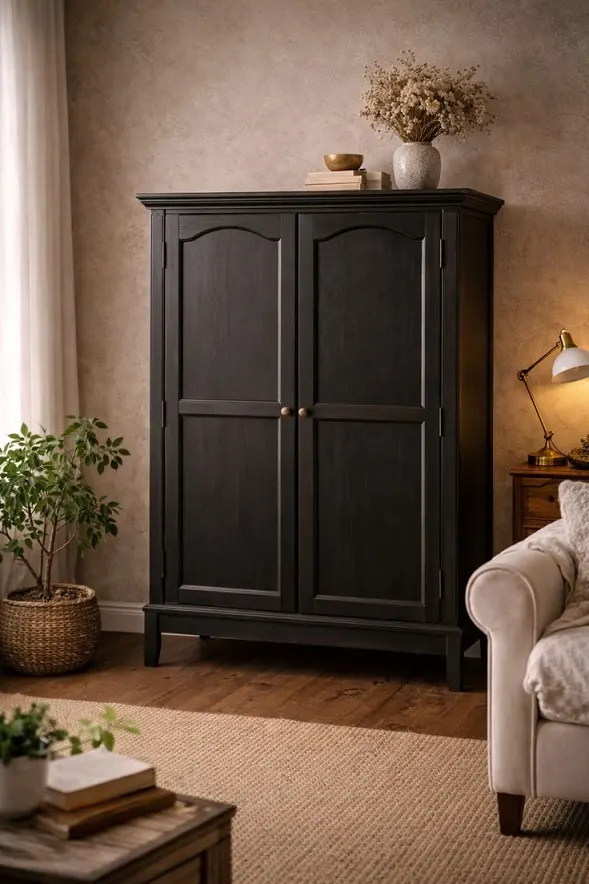
- Closed storage: many guests prefer closed wardrobes and drawers over open rails, because personal clothing is not on display.
These choices interact with the room plan, so raise them with the architect before the furniture package is fixed.
Storage: more luggage, longer stays, more formal clothing
Guests from the region often travel with larger cases and a wider range of clothing, including long garments, abayas, thobes and formal wear. That affects wardrobe design more than almost anything else.
Points worth checking with the operator:
- Hanging height: long garments need extra clear hanging height, so a single standard rail may not be enough in some room types.
- Hanging versus shelf ratio: long stays and families usually need more drawers and shelves than a short business stay.
- Luggage space: allow a place for two or more large cases to be opened flat, not only a single luggage rack.
- Safe and valuables: a safe at a comfortable height, inside a closed compartment, is expected in most upscale rooms.
Bed placement, seating and hospitality habits
Visitors are often received informally, and tea, coffee, dates and sweets are part of hospitality. In suites and larger rooms, a seating group with a coffee table and enough surface for serving can be more valuable than a standard desk and chair.
Consider whether the room needs a proper sitting area, a console for a coffee set, or a small dining table. This is a good place to use fixed joinery so surfaces are sturdy and spill-resistant.
Finishes and styling for the Middle East
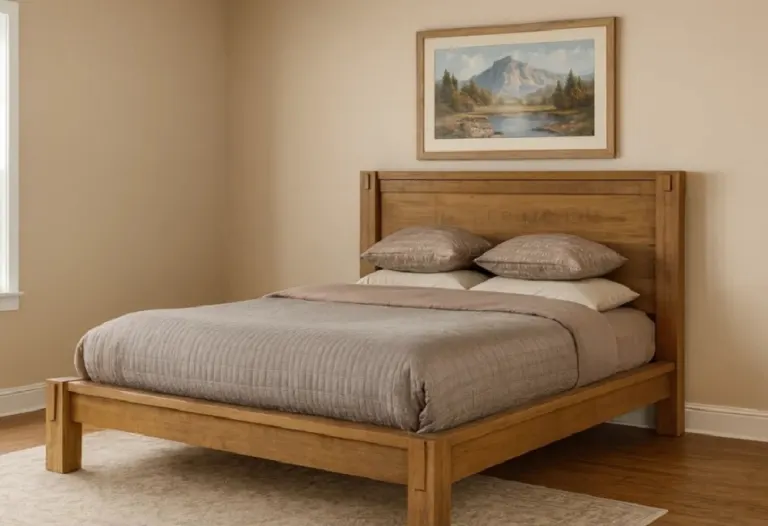
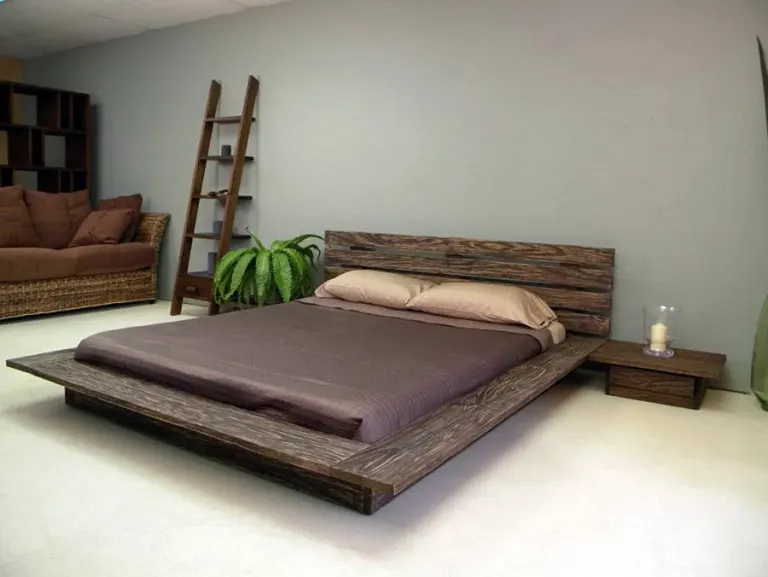
Taste varies by country and hotel category. In Saudi Arabia and the wider Gulf, guests and developers often respond well to rich timber tones, detailed headboard panels, upholstered elements and refined hardware, while newer hospitality concepts also favour calmer, lighter palettes. Do not assume one look fits all. Ask the operator for a mood board and let the furniture details follow it.
Where Saudi hotel furniture is part of a larger programme, such as a hotel tower or a resort, it helps to define a finish library early so beds, wardrobes and desks match across all room types.
How to brief a factory on these requirements
These layout needs are easy to miss if the brief only shows furniture sizes. When you send drawings to a manufacturer, include:
- The room plan with qibla direction and any indicator position marked.
- Room types that connect, and how the connecting door swings.
- The expected guest profile: families, couples, business or long stay.
- Wardrobe needs, including long garment hanging height and drawer count.
- Any privacy features, such as entrance screens or enclosed dressing areas.
- Finish references and fire or material requirements for the destination.
A mock-up room is the best way to test these ideas before mass production. Walk through the room as a family would: open the door, put down luggage, hang long clothes, find the prayer zone. Small changes at this stage cost little.
Working with a factory outside the region
Palmiye produces custom hotel furniture to project drawings in our own factory in Istanbul and supplies projects worldwide, including Middle East markets. We can review your room plans, suggest layout adjustments, prepare shop drawings, build a sample room, and arrange packing, export shipping and on-site installation where required. Timing and cost depend on the size of the package, materials, approvals and shipping terms, so we confirm them project by project.
Next step
If you are planning a hotel in the Gulf or elsewhere in the Middle East, send us your room plans or schedule. We will review the layout with these guest habits in mind and come back with material suggestions, an estimated lead time and shipping options.
Sıkça Sorulan Sorular
How should hotel bedroom furniture accommodate prayer in Gulf rooms?
Leave a clear, level floor area where a prayer mat can be placed facing the qibla, and keep beds, desks and bedside tables out of it. Confirm the direction for the building first. A storage drawer or shelf for the prayer mat is a useful addition.
What is the ideal layout for family rooms in Middle East hotels?
Family rooms work best with flexible sleeping, such as sofa beds or extra bed options, plus connecting door access and wipe-clean, rounded furniture. Check circulation space with extra beds open, and fix tall units to walls for safety.
Why does privacy affect hotel furniture design in the Gulf?
Guests often prefer that the bed and dressing areas are not visible from the entrance. Furniture such as wardrobe returns, entrance panels and semi-enclosed dressing zones helps create that separation without changing the room structure.
Do Gulf hotel guests need larger wardrobes?
Often yes. Long garments, formal clothing and longer family stays call for more hanging height, drawers and shelves than a typical short business stay. Confirm the guest profile with the operator before fixing wardrobe dimensions.
Can Palmiye supply hotel bedroom furniture to the Middle East?
Yes. We manufacture to project drawings in Istanbul and supply hotels worldwide, including Middle East projects. Services include shop drawings, sample rooms, production, export packing, shipping and installation support where needed.
Every hotel project is different. Send us your drawings or room schedule for a tailored proposal on materials, lead time and shipping.