Bedroom Furniture Design for Wellness and Spa Hotels: Calm Materials and Natural Finishes
Spa hotel bedroom furniture has to do more than look serene: materials, tone, texture and sound absorption all shape the wellness promise. This guide shows how to specify them for real-world use.
Spa hotel bedroom furniture works best when every material choice reinforces the same message: rest, restoration and quiet. Guests at a wellness property judge the room by how it feels, smells and sounds as much as by how it looks. This article explains how to translate a wellness brand into timber tones, finishes, textures and acoustic details that can be produced, shipped and maintained in a real hotel.
Start with the brand experience, then choose the material
A wellness brand is rarely just a style. It is a set of promises: natural, calm, restorative, honest. Furniture is one of the few elements the guest touches and sees for hours, so it carries a large share of that promise.
Before choosing boards and finishes, write down three or four words that describe the guest experience, for example quiet, warm, grounded and tactile. Then test every proposed material against those words. If a glossy lacquer or a heavily patterned surface contradicts them, it is probably the wrong choice, however good it looks in a render.
Calm materials: what to specify and why
Timber and veneer
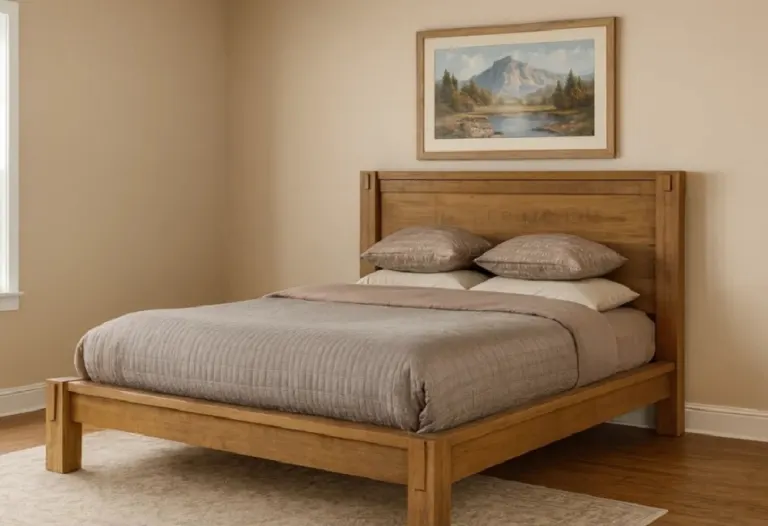
Real wood veneer is the most direct way to bring warmth into a spa room. Oak, ash and walnut are common choices because they offer visible grain without looking busy. A natural oak finish in a light to mid tone reads as fresh and honest, while walnut suits properties with a deeper, more enveloping mood.
Keep the grain pattern restrained. Straight or gently cathedral grain feels calmer than strong figure or high-contrast cathedral patterns. If you specify veneer, ask for consistent grain selection across headboards, wardrobes and desks so the room reads as one composition.
HPL and laminates as a supporting material
High-pressure laminate with a wood-look or stone-look texture can be a sensible choice for areas that take heavy wear, such as desk tops, bedside surfaces and the insides of wardrobes. Choose a fine matt texture rather than a pronounced embossing, which can look artificial up close. A good surface should invite the hand, not announce itself.
Stone, ceramic and fabric accents
Small amounts of honed stone, textured ceramic or linen-like fabric add contrast without noise. Use them sparingly, for example on a bedside ledge or a recessed headboard panel, so the timber remains the dominant material.
Natural finishes: matt, low-sheen and touchable
Finish decides whether timber feels natural or plastic. Wellness interiors generally favour low-sheen surfaces that let the grain show through and avoid reflections.
- Matt or ultra-matt lacquer: durable, easy to clean and consistent across large orders. It can still look natural if the sheen level is kept very low.
- Satin or oil-effect finishes: closer to bare wood in feel, but they may need more careful maintenance and touch-up planning.
- Open-pore finishes: keep the texture of the grain visible and are well suited to oak. Ask for a physical sample to judge the effect.
Whatever you choose, approve a physical board under the lighting of the actual room. Warm bedside lighting can shift a pale oak towards yellow, and a colour that looks neutral in daylight may not stay neutral at night.
Tone: building a restful colour palette
Calm guest room design rarely relies on a single colour. It uses a narrow range of related tones so that the eye has nowhere jarring to land.
| Tone family | Typical mood | Where it works well |
|---|---|---|
| Light natural oak, sand, pale ash | Airy, fresh, open | Coastal and daylight-rich wellness retreats, small rooms |
| Mid-tone oak, soft brown, muted taupe | Warm, balanced, welcoming | Urban spas, mountain and forest properties |
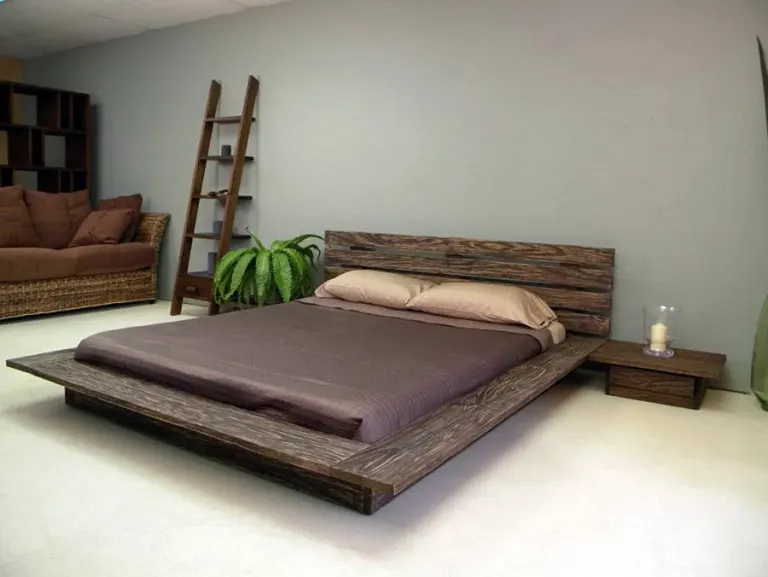
| Deep walnut, smoked oak, dark umber | Enveloping, intimate, grounded | Suites, thermal and hammam-inspired concepts |
A practical approach is to keep large surfaces, such as wardrobes and wall panelling, in one or two related tones, and use a slightly deeper tone for small pieces like bedside tables. This creates depth without adding visual noise.
Acoustic softness: the quiet side of furniture design
A wellness room is judged by silence. Furniture cannot replace good wall and floor construction, but it can reduce the small sounds guests notice: a drawer closing, a door knocking, a hanger rattling.
- Soft-close hardware: specify soft-close hinges and drawer runners throughout, and make sure the door weight is within the hardware rating.
- Upholstered and panelled headboards: fabric or acoustic-backed panels behind the bed absorb some reflected sound and add a tactile element.
- Felt or rubber buffers: small pads on door stops and drawer interiors prevent knocking sounds.
- Tight tolerances: a wardrobe door that sits correctly does not rattle when someone walks past.
- Solid bed construction: a well-built bed base is less likely to squeak, which matters in a room sold on rest.
Fabric choice matters too. Textured, tightly woven fabrics in natural tones look calm and absorb more sound than smooth synthetic finishes, but they must also meet the fire and cleaning requirements of your market.
Joinery details that support the wellness idea
Wellness hotel interior joinery tends to be quiet in its detailing. Think continuous lines, concealed handles, shadow gaps and integrated lighting rather than decorative moulding.
- Fluted or ribbed panels: add gentle texture and rhythm. Keep the profile shallow so dust does not collect in deep grooves.
- Finger pulls or integrated grips: remove visual clutter, though they must be checked for ease of use and cleaning.
- Soft radii on corners and edges: feel more welcoming than sharp arrises and also resist chipping better.
- Low-level lighting: warm LED strips under bedside units or inside wardrobes create a gentle night route without harsh light.
Humidity, heat and cleaning in spa environments
Spa hotels often have higher moisture in the air, especially in rooms close to treatment areas, pools or thermal zones, and in resort climates. This affects furniture choices more than most buyers expect.
- Seal all cut edges and use quality edge banding with strong adhesive, because exposed board edges absorb moisture first.
- Select board grades suited to humid conditions, and discuss the climate with your manufacturer at the start of the project.
- Keep wardrobes and bedside units slightly raised on plinths or feet so floors can be cleaned and air can circulate.
- Choose finishes that tolerate regular cleaning products without dulling or marking.
Natural timber moves with changes in humidity, so veneer on stable substrates with sensible panel sizes is usually safer than very large solid timber elements. Your factory can advise on construction once it knows the destination climate.
Balancing natural character with durability
A material that looks gentle is not always gentle to maintain. Open-pore finishes and light timbers show marks more readily than a dark or textured surface. Decide early how much visible ageing the brand can accept, since some wellness concepts embrace a patina while others expect rooms to look new for years.
It is also worth planning for touch-up. Ask for finish samples and a small stock of spare panels, and agree on a repair method so housekeeping and engineering teams can fix minor damage without replacing entire units.
From concept to production: how to brief a manufacturer
To get accurate drawings and pricing for a wellness project, send your manufacturer a clear package rather than a mood board alone.
- The room schedule with room types and quantities.
- Floor plans and elevations, ideally in DWG or PDF.
- Material and finish references: preferred timber species, sheen level and any physical samples.
- Acoustic, fire and climate requirements for the destination country.
- The target market and delivery terms, such as FOB, CIF or DAP.
With this information we prepare shop drawings, finish samples and, where appropriate, a mock-up room so the owner and designer can judge tone, texture and sound behaviour before mass production begins. We produce in our own factory in Istanbul and support projects worldwide, from drawings and sampling to packing, export shipping and, where required, on-site installation.
Conclusion
Spa hotel bedroom furniture succeeds when material, tone and sound all point in the same direction. Natural timber, low-sheen finishes, restrained detailing and quiet hardware make a room feel restorative, while sensible construction keeps it that way in humid, high-use conditions. If you are planning a wellness property, send us your drawings or room schedule and we will come back with material suggestions, finish samples and shipping options for your destination.
Sıkça Sorulan Sorular
Which wood finishes suit a wellness hotel bedroom?
Low-sheen finishes work best: matt or ultra-matt lacquer, satin and open-pore effects that show the grain. Natural oak, ash and walnut veneers are common. Always approve a physical sample under the room's real lighting, because warm bulbs can shift timber tones noticeably.
How can furniture make a hotel room feel quieter?
Use soft-close hinges and drawer runners, felt or rubber buffers, tight door tolerances and upholstered or acoustic-backed headboard panels. A solid bed base also prevents squeaks. Furniture cannot replace wall and floor acoustics, but it removes many small, irritating sounds.
Is veneer or laminate better for spa hotel rooms?
Veneer offers authentic grain and warmth, so it suits visible surfaces such as headboards and wardrobe fronts. Fine-texture HPL is practical for high-wear areas like desk tops and interiors. Many projects combine both, chosen by use and budget.
Does humidity affect spa hotel furniture?
Yes. Moisture can swell unsealed board edges and stress finishes. Ask for sealed edges, quality edge banding, humidity-suited boards and raised plinths for cleaning and airflow. Tell your manufacturer about the destination climate early so construction can be adapted.
Can Palmiye supply spa hotel bedroom furniture to overseas projects?
Yes. We manufacture to project drawings in our Istanbul factory and supply hotels worldwide. Services include shop drawings, finish samples, mock-up rooms, export packing and shipping, and on-site installation where needed. Send your drawings or room schedule for a project-specific quotation.
Every hotel project is different. Send us your drawings or room schedule for a tailored proposal on materials, lead time and shipping.