Pine, Poplar and Rubberwood Console Tables: Are Softer Woods Suitable for Hotels?
Lower-density timbers can work in hotels if the location, finish and construction are chosen carefully. This guide shows where pine, poplar and rubberwood make sense and where they do not.
A softwood console table hotel specification is not automatically a mistake, but it needs more care than oak or walnut. Pine, poplar and rubberwood are lighter and easier to machine, and they are often cheaper. They also dent more easily, so the question is where the piece will stand and how it will be treated, not only which species it is made from.
Below we look at these timbers from a contract point of view: density, finishing, construction, placement and how to test a sample before you commit to a batch. The aim is to help you decide, not to push you towards or away from any species.
What "softer wood" really means in furniture
Hardness varies a lot between timbers, and the term "softwood" has two meanings. Botanically, softwood means timber from conifers such as pine. Poplar and rubberwood are botanically hardwoods, but they have a relatively low density and surface hardness compared with oak, ash or walnut.
For a buyer, the practical point is resistance to dents and scratches. A low-density top compresses under a sharp impact, such as a suitcase corner, a key or a metal tray. That mark is permanent unless the surface is refinished.
The three species compared
| Timber | Typical character | Main strengths | Main limits |
|---|---|---|---|
| Pine | Light colour, visible knots, resinous | Easy to work, warm rustic look, widely available | Dents easily, knots and resin can show through paint or light stain |
| Poplar | Pale, fine and even grain, sometimes green or grey streaks | Takes paint very well, stable, smooth surface | Low surface hardness, colour variation under clear finishes |
| Rubberwood | Pale to light brown, fairly uniform grain | Consistent supply, good for turned legs and painted or stained pieces | Needs proper drying and treatment, moderate hardness only |
All three are lighter and cheaper to machine than premium hardwoods. None of them should be treated as equal to oak or walnut for heavy daily abuse.
Pine console table: where it works
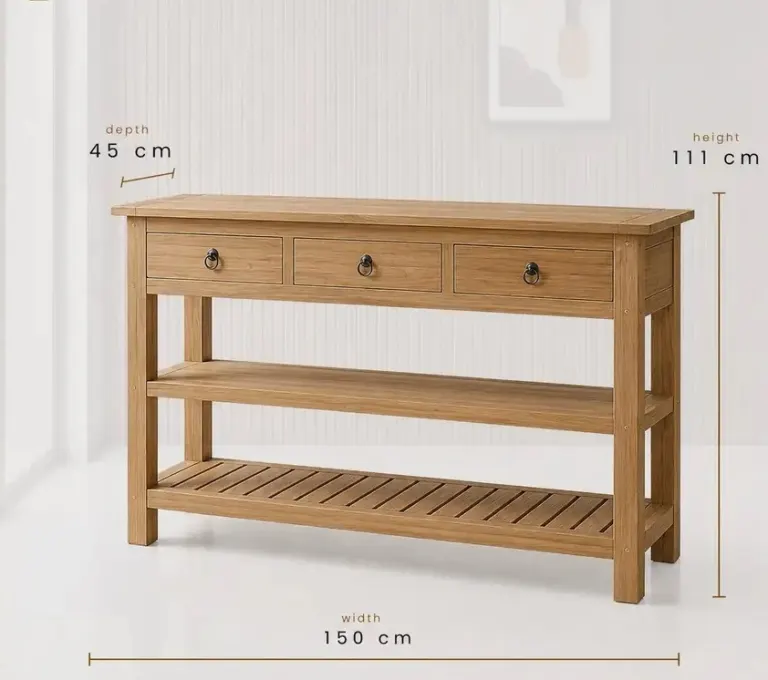
A pine console table suits settings that want a relaxed, natural or rustic mood: mountain lodges, country guesthouses, small boutique properties and some resort villas. The visible grain and knots are part of the look, and a few small marks over time add to the character rather than spoil it.
It is a weaker choice for a luxury lobby with a refined, uniform design language. Resin pockets and knots are difficult to control, and they can bleed through pale or white paint if the preparation is not careful. If you want a pine look, approve the knot level on a sample, not on a catalogue photo.
Poplar furniture for hotel use: the painted-piece option
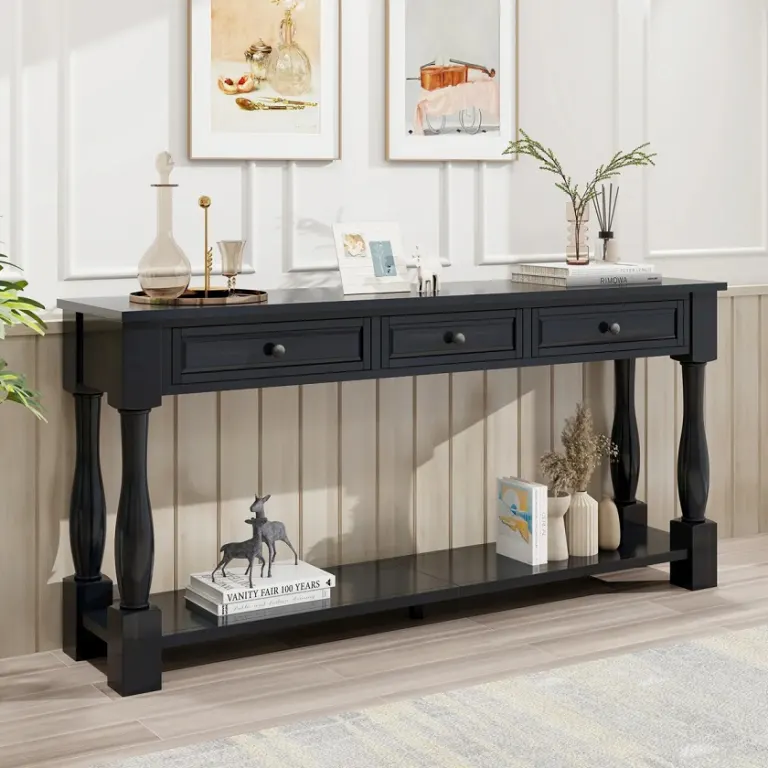
Poplar furniture for hotel use makes the most sense when the piece will be painted or lacquered in a solid colour. The grain is fine and even, so the surface comes out smooth, and the timber is dimensionally stable when properly dried. It is a sensible base for frames, legs and panels in a painted console.
Under a clear or lightly stained finish, poplar can show colour streaks. If the design needs a natural wood look, ask for a sample with the exact finish before you decide.
Rubberwood console table: a consistent, practical base
A rubberwood console table is a common choice for budget-conscious projects that still want solid timber construction. The grain is calm and the colour is fairly even, which makes stained finishes easier to match across a batch. It also turns well, so it works for round or tapered legs.
The key requirement is proper drying and protection before use. Ask your factory how the timber is dried and how the finish seals the surface, especially if the pieces will travel to a humid or very dry climate.
Where softer woods make sense in a hotel
The decision depends mostly on how hard the piece will be used. A simple way to think about it:
- Lower-risk zones: guest room entry niches, suite living areas, private villas, reading lounges and quiet upper-floor corridors.
- Medium-risk zones: boutique reception side tables, restaurant display pieces away from service routes, spa waiting areas that stay dry.
- Higher-risk zones: main lobby entrances, corridors with luggage trolleys, housekeeping routes, bars and restaurant service stations, and anywhere near wet or humid areas.
In high-risk zones, a denser species such as oak or ash is usually the safer specification, or a softer core with a harder protective surface.
How construction and finish can compensate
A species is only part of the answer. Several design choices can reduce the weakness of a lower-density timber:
- Protective finish: a catalysed lacquer or a hard-wearing polyurethane coating protects the surface better than a thin oil. A finish does not make soft wood hard, but it helps resist scuffs and liquids.
- Edge design: slightly rounded edges chip less than sharp arrises. Corners that meet luggage are the first to show wear.
- Thicker tops: a more substantial top keeps its shape and tolerates impact better than a thin one.
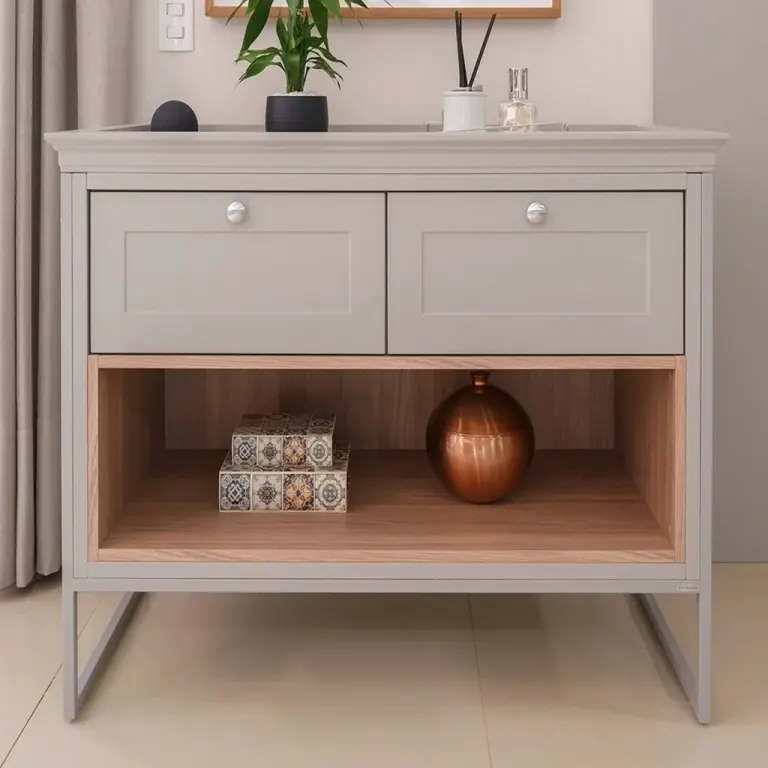
- Hybrid builds: a softwood or rubberwood frame with an HPL, veneer, stone or hardwood top puts the harder material where wear happens.
- Painted finishes: touch-up is simpler on a solid colour than on a stained natural surface.
A practical test routine for a sample
Instead of relying on species tables, test the sample in the way a hotel will use it. Ask your factory to prepare a finished sample, and check it against a short list:
- Press a fingernail and a coin edge lightly into the top and the edge to see how easily it marks.
- Drag a suitcase-style corner or a metal object gently across an offcut with the same finish.
- Place a damp glass on the surface for a short time, then wipe it and look for rings.
- Clean a small area with the cleaning products your housekeeping team actually uses.
- Inspect knots, colour streaks and grain variation against the design intent.
These simple checks do not replace formal laboratory testing, but they show you quickly whether the combination of timber and finish is realistic for your project.
Cost and lifecycle: the full picture
Softer timbers often reduce the material cost, but the unit price is only one part of the budget. If a piece needs refinishing or replacement sooner, the saving can disappear. For a hotel with a planned refurbishment cycle, or a property where the piece sees light use, the lower initial cost can still be sensible.
Ask for a clear comparison of the same design in two species, with the same finish, so that you can judge the price gap against the expected wear. Costs depend on the design, quantity, finish and timber market, so a project quotation is the reliable way to compare.
Fire, climate and regulation notes
Rules differ by country, and some hotels must meet fire performance requirements for furniture in corridors and public areas. Check the requirements of the destination early, because they may affect the choice of timber, coating or board. Climate matters too: timber that is not dried to a suitable moisture level can move after shipping to a very humid or very dry region.
How we approach this at Palmiye
We manufacture custom hotel and hospitality furniture to project drawings at our factory in Istanbul, and we ship worldwide. We do not push a species for its own sake. If a pine, poplar or rubberwood piece suits your location and budget, we will say so, and if a denser timber or hybrid build is wiser, we will explain why.
We can prepare finish samples and a mock-up piece, so that you can judge the real surface before approving production.
Conclusion
Softer woods can work in hotels when the location is calm, the finish is protective and the design accounts for wear. They are a weaker choice in heavy-traffic or damp areas. The best approach is to match the species to the zone, test a finished sample and compare options on lifecycle cost, not only on unit price.
If you are weighing species for a console table order, send us your drawings, quantities and destination. We will review the project and suggest suitable timbers, finishes and shipping options.
Sıkça Sorulan Sorular
Is pine strong enough for hotel console tables?
Pine can be suitable for low-traffic areas such as suites, villas and quiet corridors, especially with a protective finish. It dents more easily than oak or ash, so it is a weaker choice for lobbies, luggage routes and service areas. Always test a finished sample first.
Can poplar be used for hotel furniture?
Yes, poplar is commonly used for painted or lacquered pieces because its grain is fine and even. It has low surface hardness, so it suits moderate use. Under a clear finish, colour streaks can appear, so approve the sample before production.
Is a rubberwood console table durable enough for a hotel?
A rubberwood console table can work in guest rooms and calm public areas when the timber is properly dried and finished. It has moderate hardness, so heavy-use zones may need a denser species or a harder top material.
Can I combine a softwood frame with a harder top?
Yes. A hybrid build with a rubberwood or poplar frame and an HPL, veneer, stone or hardwood top places the harder material where wear occurs. This can balance cost and durability, but the design and fixing details should be checked in the shop drawings.
Do you make custom softwood console tables to order?
Yes. We produce to project drawings in our Istanbul factory and ship worldwide. Send your drawings, quantities and destination, and we will advise on suitable timbers, finishes, samples and lead time for your project.
Every hotel project is different. Send us your drawings or room schedule for a tailored proposal on materials, lead time and shipping.